
Loft and cavity wall insulation: costs, savings and grants
How to check what insulation your home has, what loft and cavity wall insulation cost and save, which grants are open now and how to avoid damp problems later.
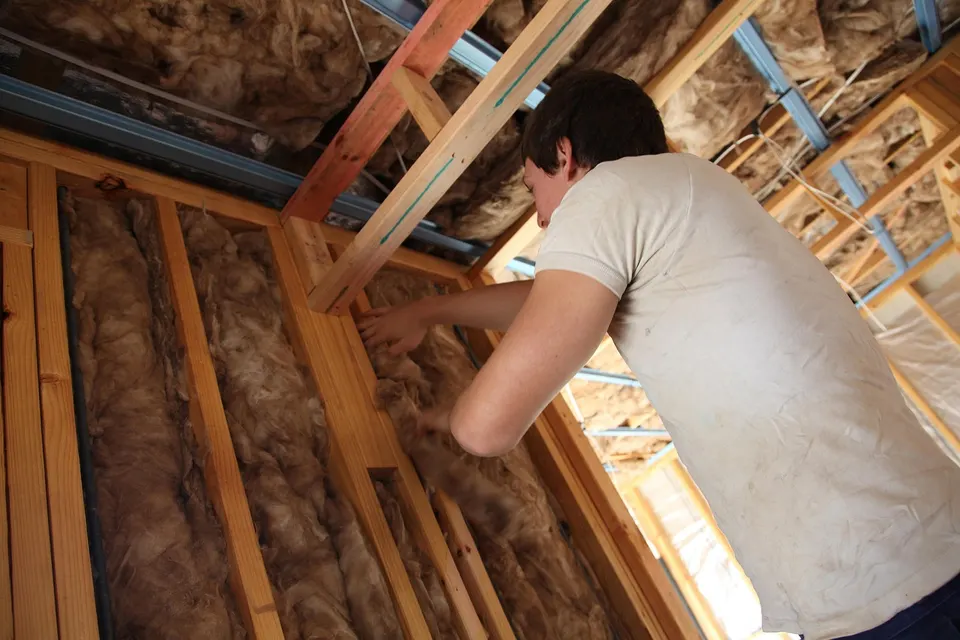
Loft and cavity wall insulation are two of the cheapest ways to cut heat loss, and in many homes they pay for themselves within a few years. The grant picture has changed a lot in 2026, with one scheme closed and another ending soon. This guide shows you how to check what you already have, what the work costs and saves, what help is available now and how to avoid the damp problems that give insulation a bad name.
Step 1: Check what you already have
Your loft
Go into the loft with a torch and a tape measure, and measure the depth of the insulation between and over the joists. The Energy Saving Trust recommends a minimum of 270mm for mineral wool. If you have around 120mm, you would need at least another 150mm to reach that.
While you are up there, look for damp patches, daylight through the roof, and vents at the eaves. Note whether there is a cold water tank and whether boards have been laid over the joists, as both affect the job.
Your walls
Most homes built from 1920 onwards are likely to have cavity walls, according to Which?. Look at the brickwork. If every brick is laid lengthways and looks the same size, you probably have cavity walls. If you can see a pattern of smaller, half size brick ends, the walls are probably solid, which needs a different and more expensive kind of insulation.
Whether a cavity has already been filled is harder to tell from outside. An installer's survey will confirm it either way, and your EPC records the assessor's view of your walls and loft, which is a useful starting point.
Step 2: Understand the costs and savings
Loft insulation
The Energy Saving Trust puts the installed cost at about £750 to go from no insulation to 270mm, and about £600 to top up from 120mm to 270mm, in Great Britain. Estimated yearly savings for a gas heated home, using Energy Saving Trust figures at July 2026 prices reported by Which?, are:
| Home | 0mm to 270mm | 120mm to 270mm |
|---|---|---|
| Detached house | £360 | £35 |
| Semi-detached house | £190 | £17 |
| Mid-terrace house | £140 | £13 |
| Detached bungalow | £350 | £35 |
The message is clear: insulating an empty loft pays back quickly, while topping up an already insulated loft saves much less.
Cavity wall insulation
Walls account for about a third of the heat lost from an uninsulated home. The Energy Saving Trust says most households should recoup the cost in five years or less. Estimated yearly savings, again from Energy Saving Trust figures at July 2026 prices via Which?, are £380 for a detached house, £200 for a semi-detached house, £110 for a mid-terrace house, £160 for a detached bungalow and £110 for a mid-floor flat. Costs depend on the size of your home, so get quotes.
Step 3: Check which grants are open now
The schemes have changed, so be wary of older articles.
- Great British Insulation Scheme (GBIS): closed on 31 March 2026, as confirmed in the government's ECO4 response. It was not extended.
- ECO4: extended, but ends on 31 December 2026, and the government has said there will be no successor obligation on energy suppliers. If you are already in the process with a supplier or installer, ask about their deadlines.
- Warm Homes: Local Grant: open in England through councils. It is usually for privately owned or privately rented homes rated D to G with household income of £36,000 or less, though some postcodes and benefits also qualify. Wall, loft and underfloor insulation are among the measures funded. You can apply on GOV.UK, and your council usually contacts you within 10 working days. Funding depends on your council having money available.
The government backed Warm Homes Loan Scheme, launched in October 2026, does not fund insulation. If you also plan a heat pump, see our guide on the Boiler Upgrade Scheme.
Step 4: Choose an installer
- Get at least three quotes from certified installers. The Energy Saving Trust suggests TrustMark as one way to find them.
- For cavity walls, insist on a survey. The installer needs to confirm the cavity is at least 50mm wide and clear of rubble, the brickwork is in good condition, and the walls are not exposed to driving rain or at risk of flooding. Homes that fail these checks may suit a different material, which costs more.
- Ask for a 25 year guarantee. The Energy Saving Trust advises using an installer who belongs to a recognised body and provides a 25 year guarantee through CIGA, the Cavity Insulation Guarantee Agency, or an independent insurance backed guarantee. CIGA now operates as the Installation Assurance Authority.
- Ask about ventilation before work starts, and how the installer will deal with it.
- Flats: cavity wall insulation usually needs everyone in the block to agree.
Step 5: Avoid damp and ventilation problems
Most problems come from skipping basic checks. Before you go ahead:
- Fix damp first. Any damp patches on inside walls, or damp or condensation in the loft, should be sorted out and assessed before insulation goes in.
- Keep loft vents clear. Blocking the eaves vents can cause damp. You may need extra tile, eaves or wall vents.
- Insulate the water tank and pipes, but not under the tank. The Energy Saving Trust advises insulating the sides and top only, and checking nobody has already put insulation underneath.
- Raise any loft boards. If you need storage, boards should sit on battens or legs above the insulation, not squash it.
- Get the roof sorted. Insulation at rafter level, including spray foam, needs a dry roof in good condition. The Energy Saving Trust warns that some lenders may be unwilling to lend on homes with spray foam, which can complicate a sale.
If damp appears after cavity wall insulation, contact the installer first. If they cannot help or no longer trade, contact the guarantee provider. Guarantees do not cover damp from other causes, such as poor maintenance.
Next steps
- Measure your loft insulation and check your brickwork.
- Look up your EPC to see what it recommends.
- If your income is £36,000 or less, check whether you can apply for the Warm Homes: Local Grant.
- Get surveys and quotes from at least three certified installers.
UK Experts Online can introduce you to a specialist who can look at your home and explain the options. Visit our home upgrades page, or use our energy fix checker to look at your bills alongside the upgrades.
Ready to talk to an expert?
With energy prices rising, the home improvements that pay their way are the ones that cut your bills. Tell us what you are considering and we will match you with approved installers, and help you check which grants and loans you could get.
Sources
- Roof and loft insulation, Energy Saving Trust, 8 May 2026
- How to insulate a loft, Energy Saving Trust, 15 October 2025
- Cavity wall insulation, Energy Saving Trust, 13 November 2026
- Loft insulation costs and savings, Which?, 6 October 2026
- Cavity wall insulation costs and savings, Which?, 6 October 2026
- Cavity wall insulation, Which?, 6 October 2026
- Extending the ECO4 end date: government response, GOV.UK, 23 January 2026
- Apply for the Warm Homes: Local Grant, GOV.UK, 1 April 2025
- Competent person scheme: current schemes and how schemes are authorised, GOV.UK, 17 September 2026
We check every figure and rule against official sources before publishing and update guides when things change. This guide explains how things work; it is not personal advice.
More home upgrades guides
Do solar panels pay back? How to work it out
A step by step way to estimate solar panel payback in 2026, using system cost, generation, self use, export payments and batteries, plus VAT and planning rules.
Energy efficient windows: ratings, costs and the rules
How window energy ratings work, double versus triple glazing, typical costs and savings, FENSA and CERTASS certificates, and conservation area planning rules.
Heat pumps explained: how they work and what they cost to run
How air and ground source heat pumps work, what they cost to run against gas at today's prices, and the checks on space, noise and radiators to do first.