
How to improve your EPC rating
How EPC ratings are worked out, how to get an assessment, which upgrades tend to lift a rating most, what they cost, and the rental rules coming in 2030.

An Energy Performance Certificate (EPC) tells buyers, tenants and lenders how efficient your home is. A better rating can mean lower bills and a more comfortable home, and for landlords it will soon be a legal requirement. This guide explains how the rating is worked out, how to get a new assessment, which improvements tend to move it most and what they cost.
How an EPC works
An EPC rates a home from A (most efficient) to G (least efficient) and is valid for 10 years (GOV.UK). You need one to sell, rent out or build a home.
The rating estimates how much it costs to heat and light the home, and its likely carbon emissions, according to the Energy Saving Trust. It is not a measure of your actual bills, and it does not cover appliances.
Behind each letter is a score, usually from 1 to 100, produced by a government method called SAP (or its shorter version, RdSAP, for existing homes). The ONS sets out the bands:
| Band | Score |
|---|---|
| A | 92 and above |
| B | 81 to 91 |
| C | 69 to 80 |
| D | 55 to 68 |
| E | 39 to 54 |
| F | 21 to 38 |
| G | 1 to 20 |
The median score in the ten years to March 2025 was 69 in England (just into C) and 68 in Wales (top of D).
Step 1: find your current certificate
Search your postcode on the free find an energy certificate service. Read the whole certificate, not just the letter. It shows your current score, a list of recommended improvements, and the potential rating your home could reach if you made them.
If your certificate is old, your home may already have changed. A new boiler, extra loft insulation or new windows fitted since the last visit will not show until you are reassessed.
Step 2: decide which improvements to make
Start with the recommendations on your own certificate, as they are specific to your home. The common ones are:
Loft insulation
The recommended depth is at least 270mm. The Energy Saving Trust puts the installed cost at about £750 from no insulation to 270mm, or about £600 to top up from 120mm. The bill saving from a top-up is small, about £17 a year, so the main gain is in homes with little or none.
Cavity wall insulation
Walls account for about a third of the heat lost from a poorly insulated home, according to Which?. Homes built from about 1920 are likely to have cavity walls. Using Energy Saving Trust figures at July 2026 prices, Which? estimates yearly savings for a gas heated home of £380 for a detached house, £200 for a semi and £110 for a mid-terrace. For more detail, see our guide to loft and cavity wall insulation.
Heating and hot water
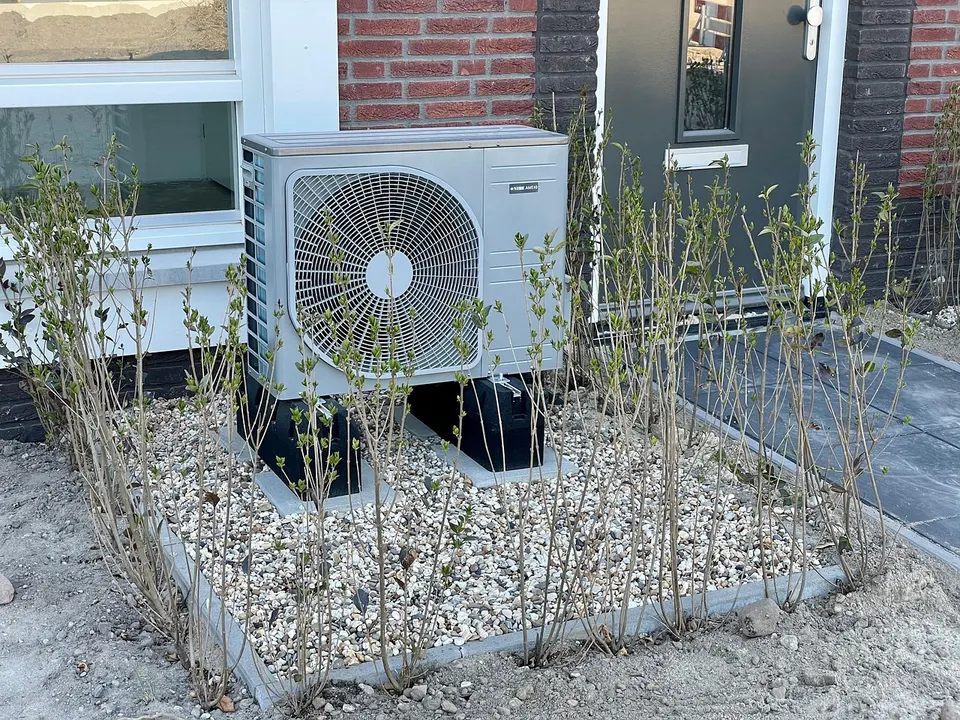
Because the rating is based on running costs, the heating system and the fuel it uses carry a lot of weight. Options include better heating controls, a more efficient boiler, an insulated hot water cylinder or a heat pump. The Boiler Upgrade Scheme gives £7,500 towards an air source or ground source heat pump. Homes heated by oil or LPG with no mains gas can get an extra £1,500 until March 2027. Our Boiler Upgrade Scheme guide explains how to apply.
Other measures
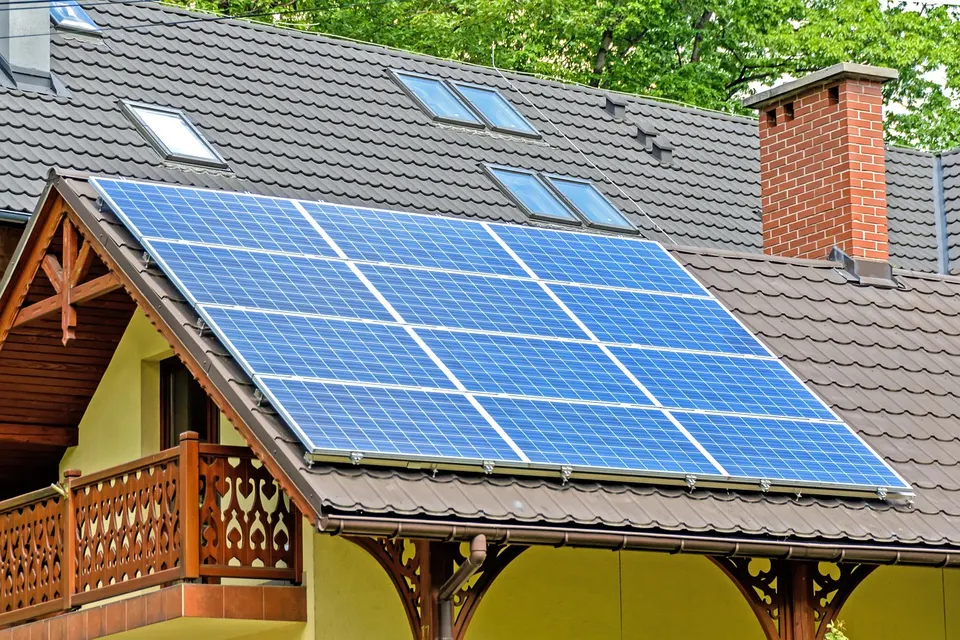
Floor insulation, low energy lighting, double or triple glazing and solar panels may all appear on a certificate. Before spending money, it is worth asking an installer or assessor how much each would change your score: some cost a lot and move it only a little.
Step 3: check for grants
In England, the Warm Homes: Local Grant can pay for insulation, heat pumps, smart controls and solar panels. It is usually for privately owned or privately rented homes rated D to G, with household income of £36,000 or less, although some postcodes and benefits also qualify. It depends on your council having funding. Scotland, Wales and Northern Ireland run their own schemes. Our guide to the Warm Homes Plan covers the wider picture.
Step 4: get a new assessment
Once work is done, a new EPC records it. GOV.UK has a service to find an accredited assessor, and estate agents can often arrange one.
- Cost: the Energy Saving Trust says an EPC generally costs £65 to £120, depending on the size, type and location of the home.
- What to have ready: paperwork for any work done, such as insulation guarantees and installation certificates, especially for work that cannot be seen, like insulation inside walls.
Selling or renting without a valid EPC can lead to a £200 fixed penalty, according to the Energy Saving Trust.
Rules for landlords: EPC C by 2030
The rules below apply to private rented homes in England and Wales.
- Now: a rented home must be rated at least E, unless a valid exemption is registered. The current spending cap is £3,500 per property.
- From 1 October 2030: the government has confirmed that all private tenancies must reach C, measured on new EPC metrics (government response, January 2026). The main test will be the building's fabric, such as insulation, with a second test on either the heating system or smart readiness. This is subject to Parliament.
- Cost cap: landlords will have to spend up to £10,000 per property, or 10% of its value if it is worth under £100,000. Qualifying work done from 1 October 2025 counts.
- Existing C ratings: a home rated C or above on the current scale before 1 October 2029 will count as compliant until that certificate expires or is replaced.
- Penalties: the Energy Independence Bill would raise the maximum fine to £30,000.
The new style of EPC was due in October 2026 but has been moved to the second half of 2027, according to Housing Today.
Common mistakes
- Chasing the letter, not the score. Two homes rated D can be a long way apart. Look at the number.
- Ignoring the cheap wins. Loft and cavity insulation cost far less than a heat pump or solar panels, so check whether they are on your list first.
- Not keeping paperwork. Keep guarantees and certificates for every job so they can be shown at the next assessment.
- Booking a new EPC too soon. Wait until the work is finished so it is all recorded.
Next steps
Look up your current certificate, note the recommendations and the potential rating, and check whether you qualify for a grant. If you are weighing a bigger job such as a heat pump or solar panels, a specialist can survey your home, explain the likely effect on your rating and give you a quote, so you can decide what is worth doing.
Ready to talk to an expert?
With energy prices rising, the home improvements that pay their way are the ones that cut your bills. Tell us what you are considering and we will match you with approved installers, and help you check which grants and loans you could get.
Sources
- Energy Performance Certificates for your home, GOV.UK, 20 October 2026
- Guide to Energy Performance Certificates (EPCs), Energy Saving Trust, 8 May 2026
- Energy efficiency of housing in England and Wales, Office for National Statistics, 28 October 2025
- Roof and loft insulation, Energy Saving Trust, 8 May 2026
- Cavity wall insulation costs and savings, Which?, 13 November 2026
- Boiler Upgrade Scheme: what you can get, GOV.UK, 30 October 2026
- Apply for the Warm Homes: Local Grant, GOV.UK, 19 October 2026
- Improving the energy performance of privately rented homes: government response, Department for Energy Security and Net Zero (GOV.UK), 21 January 2026
- Energy Independence Bill factsheet: domestic private rental sector minimum energy efficiency standards enforcement, GOV.UK, 4 November 2026
- Government delays EPC reforms until 2027, Housing Today, 13 November 2026
We check every figure and rule against official sources before publishing and update guides when things change. This guide explains how things work; it is not personal advice.
More home upgrades guides
Do solar panels pay back? How to work it out
A step by step way to estimate solar panel payback in 2026, using system cost, generation, self use, export payments and batteries, plus VAT and planning rules.

Energy efficient windows: ratings, costs and the rules
How window energy ratings work, double versus triple glazing, typical costs and savings, FENSA and CERTASS certificates, and conservation area planning rules.
Heat pumps explained: how they work and what they cost to run
How air and ground source heat pumps work, what they cost to run against gas at today's prices, and the checks on space, noise and radiators to do first.