
How to apply for the Boiler Upgrade Scheme
How the Boiler Upgrade Scheme works in 2026: who qualifies, the grant amounts, how your installer applies for you and what to check before you sign a quote.
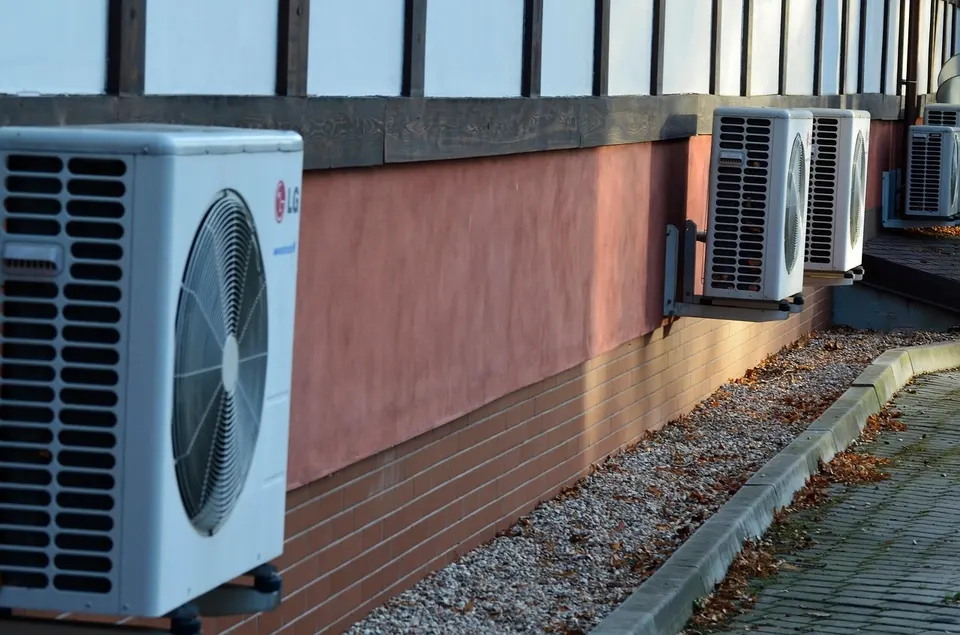
The Boiler Upgrade Scheme (BUS) is the main government grant for swapping a gas, oil, LPG or electric heating system for a heat pump or, in some rural homes, a biomass boiler. You do not apply for it yourself. Your installer does, and the grant comes straight off your bill. This guide explains who qualifies, how much you can get, the steps in order and the points where applications most often go wrong.
What the grant is worth
The scheme covers England and Wales. The current grant values on GOV.UK are:
- Air source heat pump (air to water): £7,500
- Ground source heat pump (including water source and shared ground loops): £7,500
- Air to air heat pump: £2,500
- Biomass boiler: £5,000
There is also a temporary top-up. Until March 2027, homes heated by oil or LPG with no mains gas connection can get an extra £1,500 towards an air source or ground source heat pump, taking the grant to £9,000. Ofgem added this uplift to its property owner guidance in July 2026.
A few limits apply. Only one grant is available per property. Hybrid systems, such as a gas boiler paired with a heat pump, do not qualify. The grant cannot be used to replace an existing low carbon system, and there are capacity limits of 45kWth for a single system. The government has set aside about £2.7bn for the scheme to 2029/30 under the Warm Homes Plan, so it is not due to close soon, though grant values can change.
Who qualifies
According to the GOV.UK eligibility rules, you can usually get the grant if:
- you own the property. That includes your home, a second home, a rental property or a building used for your business
- you are replacing a fossil fuel system: gas, oil, LPG or electric heating
You can still qualify if you have already had government help with insulation. You cannot get the grant for social housing, most new build homes, or a property that has already had government funding for a heat pump or biomass boiler. If you move into a finished new build that came with a fossil fuel boiler, you may be able to apply. Self-build homes can qualify if you were the original owner and the property has never been owned by a business.
Biomass boilers have stricter rules. The home must be off the gas grid and in a rural location, and the boiler needs an emissions certificate.
What about the EPC?
For most of the scheme's life, you needed a valid Energy Performance Certificate (EPC). Ofgem's 2026 guidance now says an EPC "may not be required in some cases", with the exemption routes set out in its installer guidance. In practice, most homes will still need one, so it is worth checking now. You can look up your certificate for free, and our guide on how to improve your EPC rating explains how they work. You no longer need to have loft or cavity wall insulation fitted first, although insulating makes a heat pump cheaper to run (see loft and cavity wall insulation).
How to apply, step by step
The process on GOV.UK runs like this:
- Find MCS certified installers. Only installers certified by MCS (the Microgeneration Certification Scheme) can apply for the grant. You can search the MCS register at mcscertified.com.
- Get several quotes. The installer should survey your home, work out the heat loss and size the system. The grant should be shown as a deduction on the quote.
- Let the installer confirm eligibility. They check your property, your existing heating and whether an EPC is needed.
- Agree a quote. Read the payment terms, the warranty and the schedule before you sign.
- Your installer applies on the Ofgem website. Ofgem runs the scheme.
- Confirm your consent. Ofgem will contact you to check that the installer is acting for you. Respond promptly, as the application cannot move forward without it. Ofgem may also verify your identity.
- Installation and commissioning. The system is fitted and switched on. GOV.UK sets a 120 day window between the application and commissioning, so check your installer's timetable fits.
- The installer redeems the grant. You pay the remaining balance on the invoice.
After the work, Ofgem may call or visit to check the installation, and MCS may carry out its own checks. Ofgem describes these audits as routine, not a sign that anything is wrong. You must keep your quotes and invoices and allow access for an audit.
How long it takes
There is no single published timescale, because it depends on the survey, the installer's diary and how quickly you confirm consent with Ofgem. The fixed point is the 120 day window above. If the work slips beyond it, the grant may be lost, so ask the installer when they plan to apply and when they expect to commission.
Paying the rest of the bill
The grant rarely covers the whole cost. If you need to borrow the remainder, the government backed Warm Homes Loan Scheme launched in October 2026. It offers low or zero interest loans through approved lenders for owner occupiers and private landlords, with caps of £20,000 for an air to water heat pump and £35,000 for a ground source heat pump, measured before the BUS grant is deducted. Normal credit and affordability checks apply, and the loan cannot be used for insulation. Any loan has to be repaid whatever happens to your bills, so it is worth comparing the total cost of borrowing, not just the monthly payment.
Low income households in England may be able to get upgrades, including an air source heat pump, paid for through the Warm Homes: Local Grant, which is run by councils. It is usually for homes rated D to G with a household income of £36,000 or less.
Common mistakes to avoid
- Using an installer without MCS certification. No MCS, no grant.
- Signing before seeing the grant on the quote. It should be deducted, not promised as a later refund.
- Ignoring Ofgem's consent request. Applications stall without it.
- Assuming a hybrid qualifies. Keeping your gas boiler alongside a heat pump rules the grant out.
- Not asking about running costs. A heat pump is efficient, but your bills depend on your tariff, your insulation and how the system is set up. Our energy fix checker can help you look at your tariff.
- Applying twice. One grant per property, ever.
Scotland and Northern Ireland
The BUS does not cover Scotland or Northern Ireland. In Scotland, GOV.UK points to Home Energy Scotland, which may offer an interest free loan or a grant. The Northern Ireland Boiler Replacement Scheme is closed.
Next steps
- Check whether you have a valid EPC and what it recommends.
- Contact at least two or three MCS certified installers for a survey and quote.
- Check whether you are off the gas grid and heated by oil or LPG, as you may qualify for £9,000 until March 2027.
- Work out how you will fund the balance before you commit.
If you would like help comparing options, UK Experts Online can introduce you to a specialist who can look at your home and talk you through heating upgrades. Visit our home upgrades page to find out more.
Ready to talk to an expert?
With energy prices rising, the home improvements that pay their way are the ones that cut your bills. Tell us what you are considering and we will match you with approved installers, and help you check which grants and loans you could get.
Sources
- Apply for the Boiler Upgrade Scheme: what you can get, GOV.UK, 13 November 2026
- Apply for the Boiler Upgrade Scheme: check if you're eligible, GOV.UK, 13 November 2026
- Apply for the Boiler Upgrade Scheme: how to apply, GOV.UK, 13 November 2026
- Apply for the Boiler Upgrade Scheme: overview, GOV.UK, 13 January 2023
- Summary of updates to BUS guidance for property owners, version 5.1, Ofgem, 1 July 2026
- Warm Homes Loan Scheme: scheme rules, September 2026, Department for Energy Security and Net Zero, 1 September 2026
- Apply for the Warm Homes: Local Grant, GOV.UK, 1 April 2025
- Q&A: What UK's warm homes plan means for climate change and energy bills, Carbon Brief, 23 January 2026
We check every figure and rule against official sources before publishing and update guides when things change. This guide explains how things work; it is not personal advice.
More home upgrades guides
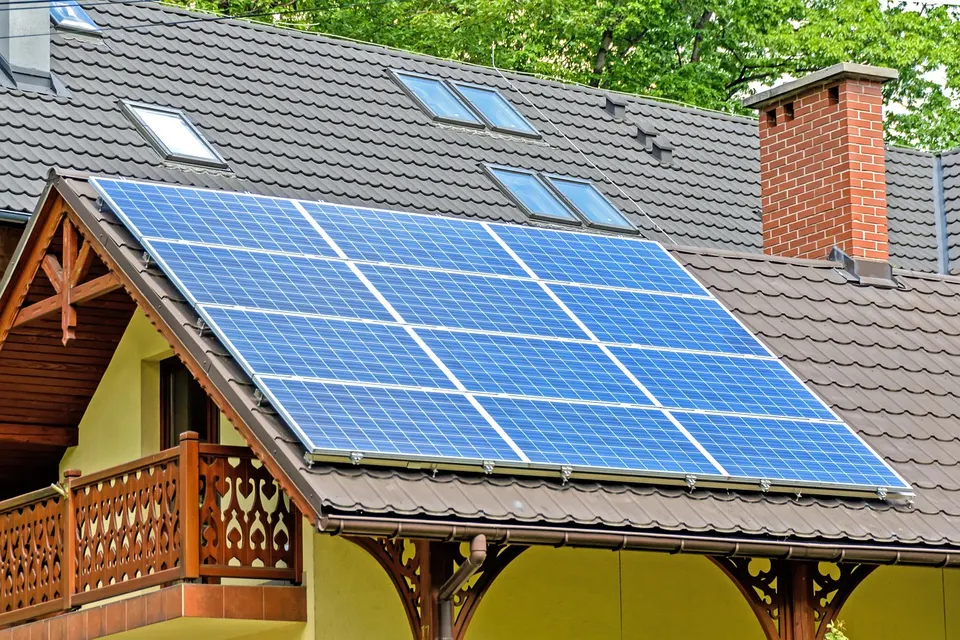
Do solar panels pay back? How to work it out
A step by step way to estimate solar panel payback in 2026, using system cost, generation, self use, export payments and batteries, plus VAT and planning rules.

Energy efficient windows: ratings, costs and the rules
How window energy ratings work, double versus triple glazing, typical costs and savings, FENSA and CERTASS certificates, and conservation area planning rules.
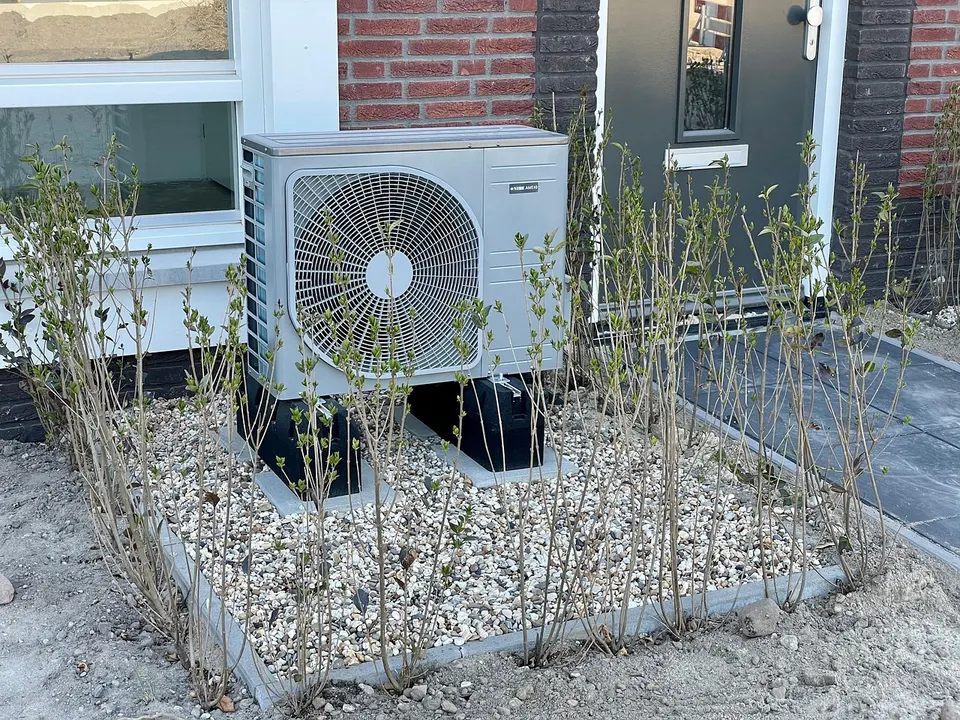
Heat pumps explained: how they work and what they cost to run
How air and ground source heat pumps work, what they cost to run against gas at today's prices, and the checks on space, noise and radiators to do first.