
Smart thermostats and heating controls explained
The heating controls a home needs, what a smart thermostat adds, what they cost, what the evidence says about savings and how controls differ for heat pumps.
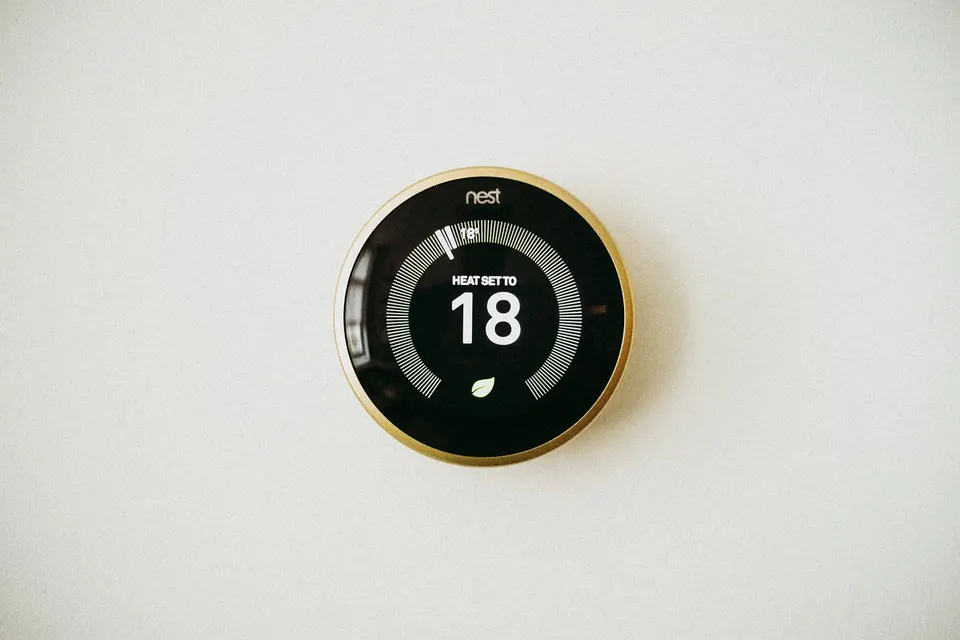
Heating controls decide when your heating comes on, how warm each room gets and how hard your boiler or heat pump works. Good controls, set up properly, can cut waste without making you colder. A smart thermostat is one option, but it is not the only one and it is not always the best value. This guide explains the types of control, what they cost, what the evidence actually shows about savings, and what changes if you have or are getting a heat pump.
The controls every system should have
The Energy Saving Trust describes a core set for a central heating system:
- A programmer or timer, which sets when the heating and hot water come on and go off.
- A room thermostat, which switches the heating off once the room reaches the temperature you set.
- Thermostatic radiator valves (TRVs), which control the temperature of each radiator separately.
- A cylinder thermostat, if you have a hot water cylinder.
In England, the Boiler Plus rules have applied since April 2018 whenever a gas or oil boiler is fitted in an existing home. The government factsheet says timers and room thermostats are an explicit requirement. A new combi boiler must also come with one extra measure: flue gas heat recovery, weather compensation, load compensation, or smart controls with automation and optimisation.
What a smart thermostat adds
A smart thermostat connects your heating to the internet so you can control it from a phone app. MoneySavingExpert lists the common extras: learning your routine, geofencing (turning the heating down when everyone has left), open window detection, and frost protection modes. It is not the same as a smart meter, which records your energy use for your supplier.
If the internet drops, the heating usually keeps following its schedule and you can still use the controls on the device itself.
Smart TRVs and zoning
Smart TRVs replace the heads on your radiator valves so you can set each room on its own schedule. Heating only the rooms you use, at the times you use them, is called zoning.
What the evidence says about savings
This is where it pays to be careful.
- The Energy Saving Trust says installing and using heating controls effectively could save about £100 a year in Great Britain and £110 in Northern Ireland.
- Adding TRVs to a system that already has a programmer and room thermostat could save about £30 a year in Great Britain, according to Energy Saving Trust guidance.
- Turning your thermostat down from 22°C to 21°C could save about £120 a year in Great Britain.
For smart thermostats specifically, the evidence is weaker. A 2018 academic review of heating controls research found little high quality evidence for most controls. It found moderate quality evidence that smart thermostats do not save energy compared with a standard thermostat and programmer, and may even increase use. It also found moderate evidence that properly commissioned zoning can save energy. MoneySavingExpert likewise says there is no guarantee of savings.
In practice, a smart thermostat is more likely to help if your routine changes from day to day and you would otherwise forget to adjust the heating. If your routine is fixed, a standard programmer can do the same job.
What it costs
| Item | Typical cost |
|---|---|
| Programmer, room thermostat and TRVs on every radiator, from scratch | around £600 |
| TRVs on every radiator, if you already have a programmer and thermostat | around £370 |
| Smart thermostat | £100 to £250 |
| Professional fitting of a smart thermostat | about £30 to £80 |
| Smart TRV | £50 to £80 each |
The first two figures are from the Energy Saving Trust; the smart figures are from MoneySavingExpert. Some energy tariffs include a smart thermostat, but MoneySavingExpert notes the cost is usually recovered through your bills. Lower income households in England may get smart controls fitted free as part of the Warm Homes: Local Grant.
How to set up what you have
Before buying anything, get more from the controls you already own. Based on Energy Saving Trust guidance:
- Set the thermostat to the lowest comfortable temperature. The Energy Saving Trust suggests between 18°C and 21°C. Turning it up higher does not heat the home any faster.
- Set the timer to come on about half an hour before you get up and go off about half an hour before bed.
- Set your TRVs room by room. The Energy Saving Trust suggests 3 to 4 in rooms you use most and 2 to 3 in bedrooms.
- Check your boiler flow temperature. Lowering it can improve efficiency, but keep it at 65°C or above if you have a hot water cylinder.
Heat pumps work differently
Most smart thermostats are designed for boilers. MoneySavingExpert says most will not work with heat pumps or storage heaters, so check the manufacturer's compatibility list or ask your installer.
Heat pumps are usually controlled through weather compensation, where the system raises or lowers the flow temperature according to the temperature outside. The Energy Saving Trust suggests:
- Keep it running for long periods and use a lower "set back" temperature overnight or while you are out, rather than switching it off, because reheating a cold house takes more energy.
- Adjust the heating curve. Installers often set it high. Lower it a degree at a time until the home feels too cold, then raise it back by one.
- Use the boost sparingly. Needing it often can mean the radiators are too small or the curve needs adjusting.
- Schedule hot water sensibly. The cylinder needs to go above 60°C from time to time to control Legionella bacteria; weekly is usually enough for most homes.
A heat pump paired with a time of use tariff can also be scheduled to run more when electricity is cheap. See our guides to heat pumps and Economy 7 and time of use tariffs.
Common mistakes to avoid
- Buying a smart thermostat to fix a fixed routine. A standard programmer may do the same job.
- Turning the thermostat up to warm up faster. It does not work that way.
- Fitting controls that do not suit a heat pump. Check compatibility first.
- Ignoring draughts. Controls cannot hold heat that leaks out. Our guide to draught-proofing your home covers the cheap fixes.
Next steps
- Check what controls you already have and set them up properly.
- Add TRVs if your radiators do not have them.
- Consider a smart thermostat if your routine varies, after checking it works with your system.
- If you are planning a heat pump, ask the installer how it will be controlled.
UK Experts Online can introduce you to a specialist who can look at your heating as a whole. Visit our home upgrades page.
Ready to talk to an expert?
With energy prices rising, the home improvements that pay their way are the ones that cut your bills. Tell us what you are considering and we will match you with approved installers, and help you check which grants and loans you could get.
Sources
- Thermostats and heating controls, Energy Saving Trust, 28 September 2026
- Take control of the heating in your home, Energy Saving Trust, 28 October 2026
- How to ensure a heat pump runs efficiently, Energy Saving Trust, 13 November 2026
- Smart thermostats explained, MoneySavingExpert, 12 January 2026
- Do domestic heating controls save energy? A review of the evidence, Renewable and Sustainable Energy Reviews (via University of Strathclyde), 23 May 2018
- Boiler Plus factsheet, Department for Business, Energy and Industrial Strategy, 1 April 2018
- Apply for the Warm Homes: Local Grant, GOV.UK, 19 October 2026
We check every figure and rule against official sources before publishing and update guides when things change. This guide explains how things work; it is not personal advice.
More home upgrades guides
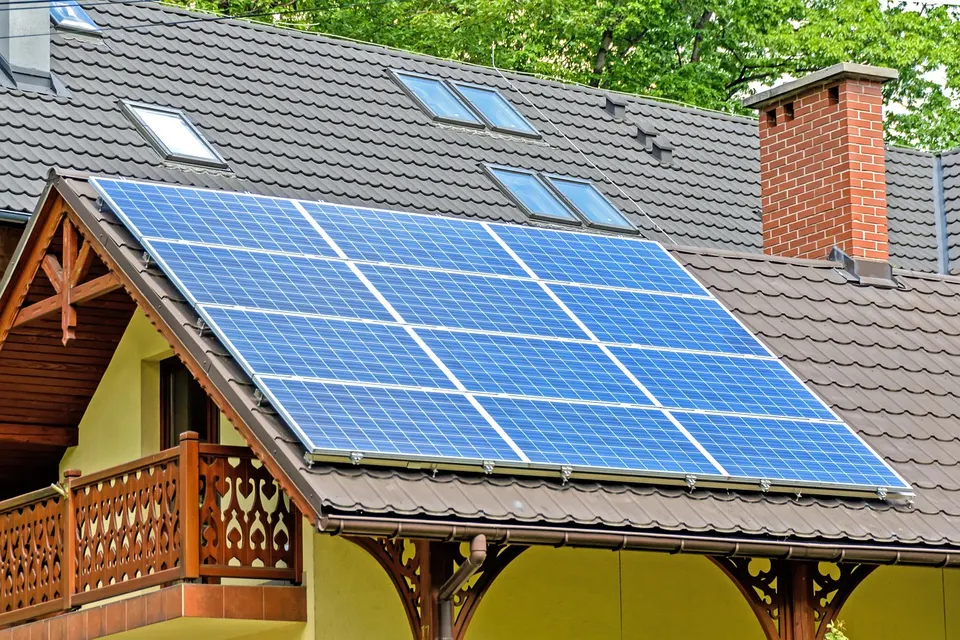
Do solar panels pay back? How to work it out
A step by step way to estimate solar panel payback in 2026, using system cost, generation, self use, export payments and batteries, plus VAT and planning rules.
Energy efficient windows: ratings, costs and the rules
How window energy ratings work, double versus triple glazing, typical costs and savings, FENSA and CERTASS certificates, and conservation area planning rules.
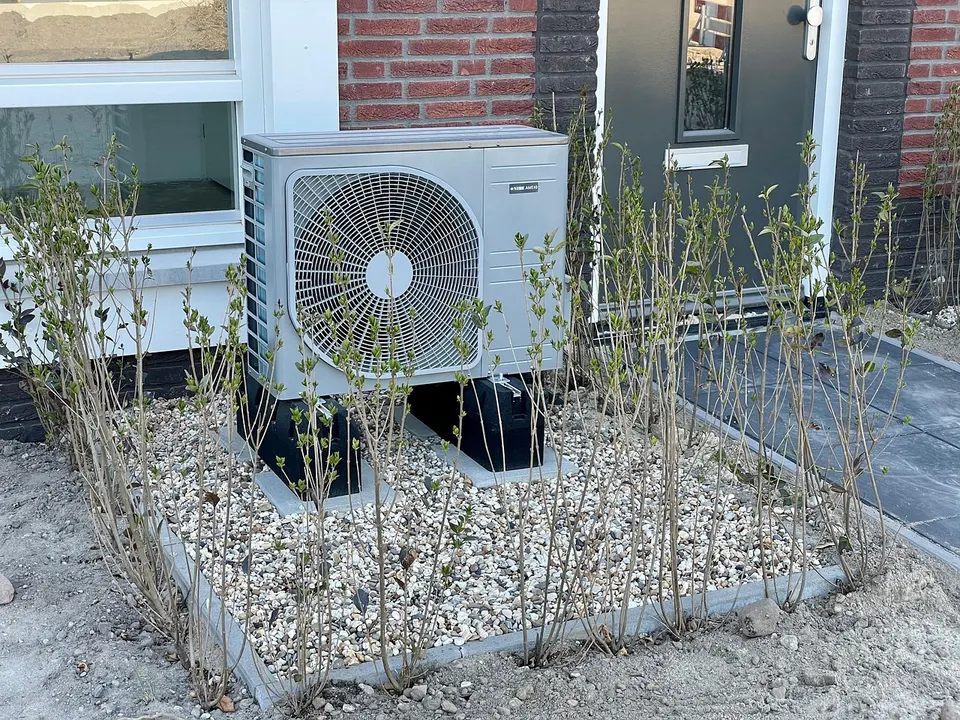
Heat pumps explained: how they work and what they cost to run
How air and ground source heat pumps work, what they cost to run against gas at today's prices, and the checks on space, noise and radiators to do first.