
How to switch energy supplier
A step by step guide to switching gas and electricity supplier: what you need, how long it takes, exit fees, debts, credit refunds and your protections.

Switching energy supplier is quicker and simpler than many people expect. Your gas and electricity keep flowing, nobody needs to dig up the road, and in most cases the new supplier handles the move for you. What takes a little care is the paperwork around it: exit fees, any debt on your account, your final bill and getting back any credit you have built up. This guide walks you through each step.
Before you start: is switching worth it?
Switching only helps if another deal is cheaper or suits you better. Since the energy crisis, the gap between deals has varied. In August 2026, Ofgem said some fixed tariffs were available at £100 or more below the October price cap, and that about 35% of households were already on a fixed deal. That will not be true of every deal, every region or every household, so compare using your own figures.
Ofgem also points out that the best option may be a different tariff with your current supplier. Switching tariff without changing supplier follows similar rules.
What you need
Ofgem lists the details you will be asked for, all of which are on your bill or online account:
- your postcode
- your current supplier's name
- your current tariff name
- what you pay per kWh
- your yearly energy use in kWh
Your yearly use matters most. Without it, comparison sites fall back on averages, which can make a deal look cheaper or dearer than it will be for you. Our guide to reading your energy bill shows where to find each figure.
How to switch, step by step
- Check whether you are on a fixed tariff. If you are, find its end date and any exit fee. Citizens Advice explains that you can switch without an exit fee when 49 days or fewer are left. With 50 days or more left, a fee may apply.
- Check any debt. See the section on debt below. A debt can stop a switch.
- Compare deals. Use a comparison website or go direct to suppliers. Check the unit rates and standing charges, not just the estimated annual cost.
- Check the deal works with your meter. Smart, prepayment and Economy 7 or other time-of-use meters each need a compatible tariff.
- Apply with the new supplier. You only contact the new supplier. It tells your old one.
- Use the cooling-off period if you change your mind. You have 14 days to cancel without a fee.
- Take a meter reading on switch day. Give it to your new supplier and keep a dated photo. This stops you being charged twice for the same energy.
- Watch for your final bill. Check it uses your switch-day reading.
How long it takes
Suppliers must move your supply within five working days. If you ask to wait until your 14-day cooling-off period ends, Citizens Advice says the switch happens five working days after that, which can mean up to 21 days in total. If the new supplier misses the deadline without good reason, it must pay you £40.
Exit fees
Exit fees only apply to fixed tariffs that you leave early. Standard variable (price cap) tariffs have none, so you can leave at any time. Before you decide, compare the fee with the saving. Citizens Advice notes that switching can still save money even after paying a fee. Our fixed tariff vs price cap guide shows how to do the sums.
Switching with a debt on your account
The rules depend on how long you have owed money and the meter you have. According to Ofgem:
- if you pay after using energy and have owed money for less than 28 days, you can switch and the debt is added to your final bill
- if you have owed money for more than 28 days, you usually need to repay it before you can switch
- if you have a prepayment meter, you can switch with a debt of up to £500
If you are behind and struggling, talk to your supplier first. Our guide to cutting your winter energy bills covers the help available.
What happens to credit on your old account
Many people on Direct Debit are in credit when they leave. Citizens Advice says your old supplier should send a final bill within six weeks, and any credit should be refunded within 10 working days of that bill. You may be due compensation if either is late. Check the final bill carefully, because a wrong closing reading is the most common reason a credit comes out smaller than expected.
Your protections
What no longer applies
The Energy Price Guarantee, which limited bills during the energy crisis, has closed. The government support covered the period from October 2022 to March 2024. It does not affect switching today.
What does apply
- The price cap. Ofgem's cap limits unit rates and standing charges on default tariffs, which is where you land if a fixed deal ends and you do nothing.
- Switching guarantees. If you are switched without your permission, you could get £40, and your old supplier has 21 working days to switch you back. Suppliers that are late paying compensation owed must pay an extra £40.
- If your supplier goes bust. Ofgem moves you to a new supplier, your supply continues and your credit balance is protected. Take a meter reading straight away and keep a record.
Special cases
- Renting. If you pay the energy bills, you can usually switch. Ofgem suggests checking your tenancy for a "default supplier" clause and telling your landlord or letting agent. If your landlord pays the bills, they arrange any switch.
- Heat networks. If your heating comes from a shared heat network, you cannot switch supplier.
- Smart, prepayment and time-of-use meters. Citizens Advice says to confirm the new tariff works with your meter before you agree to it. If your bills turn to estimates afterwards, send manual readings and tell the new supplier.
Common mistakes to avoid
- Comparing on average use rather than your own kWh.
- Forgetting the exit fee on a current fix.
- Skipping the switch-day meter reading.
- Leaving a credit balance with your old supplier and never chasing it.
Next steps
Find your annual use and current tariff details on your latest bill, then compare. Our free energy fix checker can help you weigh a fixed deal against the price cap. If you would like to talk through your options, our energy page can introduce you to a specialist.
Should I fix my energy?
Compare a fixed deal with staying on the price cap after January.
Ready to talk to an expert?
The energy price cap is £1,723 a year for a typical home until 31 December, and suppliers forecast a sharp rise from 1 January 2027. Some fixed deals are now cheaper than the current cap. An energy specialist can check whether fixing would save you money.
Sources
- Switch your home energy supplier, Ofgem, 13 November 2026
- Switch energy supplier or tariff, Citizens Advice, 24 August 2023
- How you're protected when energy firms collapse, Ofgem, 13 November 2026
- Energy Price Guarantee up to 30 June 2023, GOV.UK, 1 January 2024
- Energy price cap will rise by 4% from October 2026, Ofgem, 26 August 2026
We check every figure and rule against official sources before publishing and update guides when things change. This guide explains how things work; it is not personal advice.
More gas & electric guides
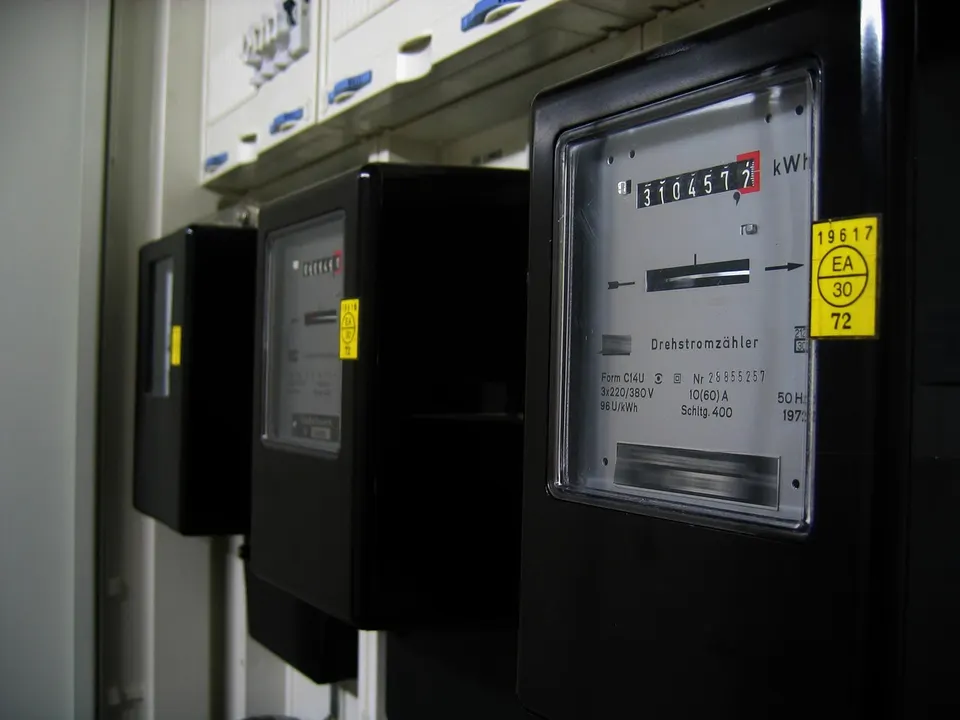
Economy 7 and time of use tariffs: are you on the right one?
How Economy 7 and smart time of use tariffs work, who tends to gain, how EV charging fits in, and a simple sum to check whether your tariff suits your home.

Energy debt: what to do if you are behind on your bills
How to agree an energy repayment plan you can afford, your rights if a prepayment meter is proposed, the 2027 Debt Relief Scheme, grants and free advice.
Fixed tariff vs the price cap: how to compare
How to compare a fixed energy deal with Ofgem's price cap using your own usage, what the January 2027 cap decision means, and how exit fees change the sums.